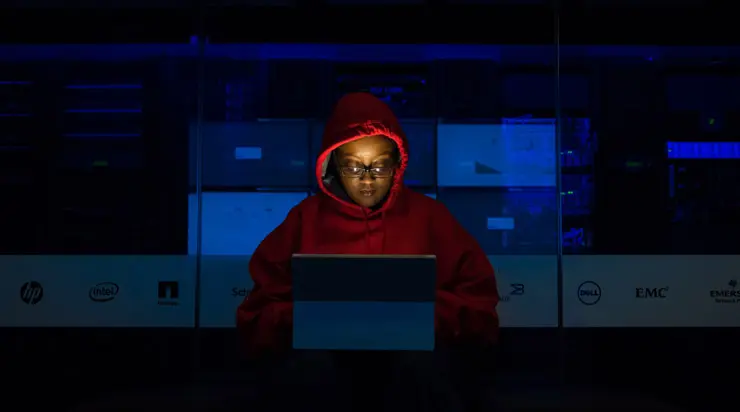
Cybersecurity has become one of the most urgent challenges for utilities. As grids become more digital and distributed, the attack surface expands across cloud systems, field devices, OT networks, and legacy infrastructure. Traditional tools can’t keep up with the volume of alerts or the speed of modern threats.
AI agents change this by acting as real‑time cybersecurity partners across the entire utility. They don’t replace existing tools — they unify them and make them smarter.
Why Utilities Need AI for Cyber Defense
Utilities face rising cyber risk driven by:
More sophisticated attacks targeting critical infrastructure
Legacy OT systems that can’t be patched
Remote field devices and mobile access
Cloud adoption and API exposure
Increasing regulatory pressure
Human teams can’t monitor every log, endpoint, and anomaly. AI agents fill the gap with continuous, real‑time analysis.
What AI Cybersecurity Agents Do
1. Detect Threats Instantly
AI analyzes logs, network traffic, device behavior, and user activity across IT and OT systems to spot unusual patterns within seconds.
2. Correlate Signals Across Systems
Instead of isolated alerts, AI connects events — suspicious logins, abnormal SCADA commands, odd device behavior — and identifies attacks early.
3. Guide Response
Agents recommend actions like isolating devices, revoking credentials, or escalating incidents, reducing response time dramatically.
4. Protect Field Devices
AI monitors laptops, tablets, and mobile devices used by crews, detecting malware or unauthorized access immediately.
5. Automate Compliance
Incident logs, audit evidence, and regulatory reports are generated automatically.
Why This Works
AI agents don’t replace SIEM, firewalls, or endpoint tools. They orchestrate them — giving utilities:
Faster detection
Better correlation across IT + OT
Stronger protection for remote devices
Automated reporting
Lower operational risk
AI becomes the connective layer that strengthens every existing cybersecurity investment.

A Simple Example
Before AI:
Alerts appear in separate systems
Teams investigate manually
Hours pass before escalation
With AI:
Signals are correlated instantly
Threats are flagged immediately
Response steps are recommended
Reports are generated automatically
This is proactive defense, not reactive cleanup.
“AI agents provide real‑time cyber defense by monitoring threats, correlating signals, and automating response. Utilities strengthen resilience, protect critical assets, and reduce risk—without replacing existing cybersecurity tools or disrupting operations.”
The Bottom Line
AI agents are becoming essential to utility cybersecurity. They monitor threats, correlate signals, guide response, and automate compliance — all in real time. Utilities don’t need new platforms. They need smarter, connected cybersecurity intelligence running across the systems they already trust.


Companies often neglect to have written standards and policies around their cybersecurity. Why? Because dozens of them are usually needed, covering everything from equipment management to backup procedures, admin credentialing, remote work policies, and so much more. But it’s well worth the effort.